skolka · editorial reading for adults in Brazil

Choose calmly. Compare carefully.

skolka presents reading paths about online casino, slots, live casino, table games, sports, bonuses, promotions, app download, and responsible gaming. The focus is simple: show the context, separate what is category from what is detail, and help you check before moving on.

Before clicking, it is worth looking at three points.

Read the topic, check the category, and see whether the page matches what you are looking for right now. No rush. No blind leap.

  • Clear content: each area deals with a specific subject.
  • Practical reading: examples, comparison, and context appear together.
  • Simple verification: anything external deserves extra attention.
skolka promotional image
Promotional image. Check the conditions at the destination and read carefully before proceeding.

The topics that most call for comparative reading

Not every subject requires the same kind of attention. Some pages call for focus on format. Others call for reading rules, visual rhythm, or access context. skolka separates these differences so the decision is clearer.

S

Slots

Slots usually attract attention through imagery and pacing. Here, editorial review helps observe the theme, presentation, and the type of information that accompanies the page.

  • See the subject before the expectation.
  • Compare the visual reading with the text.
  • Observe whether the category answers what you want to understand.

Practical reading of the section

In slots, it is worth separating appearance from useful content. A page may highlight colors, animations, and symbols, but what really guides the decision is clarity about rules, game format, and navigation. Before moving ahead, read the description calmly and try to understand whether the information helps you recognize how the experience is presented, without relying only on the first visual impression.

Another important point is to observe the structure of the themes and mechanics. In slots, the same category can bring together variations with different rhythms, symbols, and objectives, so the reading needs to go beyond the game name. Pay attention to how the page organizes these differences, because that makes it easier to compare options and notice what changes from one proposal to another within the same topic.

It also makes a difference to notice the language used to explain features. When the text is direct, it becomes easier to identify whether there are special elements, such as paylines, extra rounds, or game-related functions, without needing to interpret vague terms. In a slots section, this objectivity helps the reader understand the role of each feature and avoid confusion between visual emphasis and practical information.

If the page includes additional guidance, check whether it is really tied to the conscious use of the category. In slots, this includes verifying whether there is mention of responsible reading, personal limits, and attention to context before any action. This kind of detail is not meant to create expectations, but to provide a basis for more mindful navigation aligned with what the reader wants to evaluate.

Another useful precaution is to compare the presentation of the slot with the overall organization of the page. When the content is well distributed, it becomes simpler to locate explanations, understand the editorial focus, and see whether the section responds to the intent of the person looking for information. Instead of rushing, it is worth following the reading methodically and observing how each part contributes to understanding the topic.

Finally, use the section as a reference point to separate description from interpretation. In slots, this means reading what is written, identifying what is concrete data, and setting aside any rushed reading based only on aesthetics. That way, the category becomes informational support, helping you better see the format, the context, and the real usefulness of the content presented.

L

Live casino

This format calls for another step. The sense of presence is important, but the reading still needs to stay objective: what is editorial content, what is external access, and what should be checked at the destination.

  • Pay attention to the framing.
  • Read the notices associated with the material.
  • Do not mix presentation with confirmation.

How to interpret the real-time experience

In live casino, the quality of the experience does not depend only on the nice image or the look of the table. What really helps is noticing whether the interface makes the controls, the round flow, and the moment when each decision needs to be made clear. When the material is well organized, it becomes easier to follow the dynamics without confusing visual elements with game instructions. This is especially useful for anyone who wants to understand the environment before interacting.

It is also worth observing how the content presents the role of the dealer, the table, and the streaming features. In many cases, the screen brings together betting information, history, and chat, but each block has a specific function. Reading these elements calmly avoids rushed interpretations and helps distinguish what is only visual support from what really influences the round. Clarity in this reading makes a difference for more mindful navigation.

Another important point is compatibility with the device being used. On a phone, the layout can change a lot compared with a computer, and this affects the visibility of buttons, menus, and information areas. Before starting any interaction, it is worth checking whether the screen is comfortable to read and whether the controls are accessible without effort. Good visual adaptation reduces simple mistakes and improves understanding of the flow.

In the live environment, the speed of action can create a sense of urgency, but not everything needs to be done immediately. The ideal is to recognize the pace of the table and understand when the next step really begins. This attention to timing avoids impulsive clicks and helps keep the reading of the game more stable. Instead of focusing only on the emotion of the moment, it is worth prioritizing observation of the whole process.

It is also useful to separate what belongs to editorial content from what belongs to external access. A page may explain the live casino proposal, but that does not replace checking the rules, limits, and conditions at the final destination. This distinction protects the user's interpretation and makes navigation more transparent. When this difference is clear, the experience tends to be more objective and less prone to misunderstandings.

Finally, live casino requires an attentive reading posture, because the presentation is usually engaging and dynamic. The best way to enjoy this format is to stay focused on practical signs: table organization, readability of the controls, streaming pace, and clarity of the instructions. With this care, the content stops being only visually attractive and becomes truly understandable for anyone looking for guidance in pt-BR.

M

Table games

In table games, comparison is usually more useful than haste. Rules, pace, and context matter more when the reading is done with a steady criterion.

  • Look for the format that makes sense for you.
  • Read the text carefully, paying attention to details.
  • Use the category as a starting point.

Strategy and practical reading

In table games, it is worth observing how each proposal distributes decisions throughout the match. In some formats, the advantage appears in the initial choice; in others, it emerges in the way you manage pace, limits, and sequence of actions. Understanding this logic helps you interpret the game more clearly and prevents attention from getting stuck only on the final result. Correct reading starts before the first move and continues throughout the entire journey.

Another important point is recognizing that not every table calls for the same kind of involvement. There are games that are more direct, with rules that are easy to follow, and others that require patience to understand variations, side bets, or changes in dynamics. When you notice this difference, it becomes simpler to choose a format that matches your style. This reduces noise, improves analysis, and makes the experience more organized, even when the scenario changes quickly.

It also makes a difference to separate entertainment from expectation. In table games, impulsive decisions often get in the way of reading what is happening. That is why observing the sequence of events, reviewing the rules, and staying attentive to context are useful attitudes for any adult who wants to navigate the content more safely. The focus should be on understanding how it works, not on rushed interpretations or conclusions drawn too early.

The comparison between tables can consider elements such as simplicity, interaction, session length, and the level of attention required. These factors help explain why one game seems more accessible while another demands more concentration. When this analysis is done calmly, the content gains practical value and stops being just a list of names. The category then becomes a reference for anyone who wants to identify similarities and differences more precisely.

On a portal like skolka, this organization is useful because it guides reading without pressuring the visitor to follow a single path. The ideal is to use the section as support to recognize formats, review terms, and notice which games best match each person's profile. That way, navigation becomes more objective and the content fulfills its informational role more clearly, without exaggeration and without promises out of context.

Finally, it is worth remembering that table games also call for attention to personal limits. Knowing when to stop comparing, when to review a rule, and when to look for another explanation is part of a mature reading of the topic. This care improves the experience and keeps navigation more balanced. Instead of looking for quick answers, the visitor finds a support point to understand the subject with more consistency and responsibility.

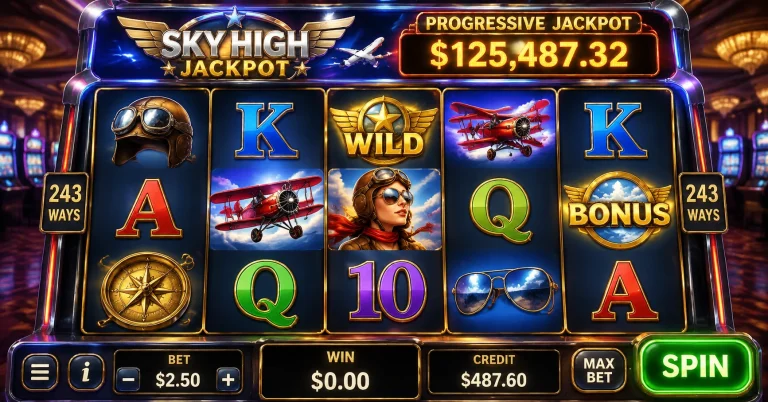
Visual content about slots on skolka
Featured slots. Good for comparing theme, pace, and the way information appears on the page.
Visual content about live casino on skolka
Live casino in focus. Reading works better when context comes before action.
Visual content about table games on skolka
Table games. A good reference for anyone who prefers to understand the format more calmly.

Four checks that help you read better

It is not about rushing. It is about noticing what the page really offers and what still needs to be confirmed outside it. These points work as a simple editorial filter.

1. Defined topic The first step is to recognize whether the page talks about slots, bonuses, sports, promotions, or another skolka topic.
2. Access source When there is an external redirect, the reading needs to stay attentive to the destination and the conditions it presents.
3. Text and image A nice image does not replace explanation. The best editorial use appears when the two elements work together.
4. Next step If the doubt is still open, go back to the correct category and compare before moving forward.
Visual content about sports on skolka
Sports. Useful for anyone who wants to alternate between thematic reading and format comparison.
Visual content about bonuses on skolka
Bonus. The best way is to read the information carefully for what is written, not on impulse.
Visual content about promotions on skolka
Promotions. Here, editorial care is about separating visual emphasis from verifiable content.

How to deepen your reading without losing focus

After these four checks, it is worth seeing whether the page stays consistent from start to finish. When the title promises a topic, the text needs to support that promise with useful details, without changing subjects halfway through. It also helps to notice whether the language is objective or relies too much on vague calls to action. On skolka, this calmer reading keeps the visitor from confusing presentation with information and choosing to continue only when they understand the context.

Another practical point is to compare what appears in the spotlight with what is in the background. Often, the most visible part draws attention, but the really important content is in smaller passages, explanatory notes, or related sections. Reading with this care improves the overall perception and reduces hasty interpretations. If something seems incomplete, the best approach is to treat the page as a starting point, not as the final answer.

It is also worth separating navigation from decision-making. One page can serve to guide the reading, while another category deepens the topic more precisely. For that reason, returning to the correct area after an initial reading is usually more useful than insisting on a quick interpretation. This practice helps organize the comparison between slots, live casino, table games, sports, and bonuses without mixing different criteria.

In the end, reading improves when the visitor builds a simple habit: identify the topic, check the source of access, observe the relationship between text and image, and only then decide the next step. This pace avoids excessive haste and favors a cleaner analysis of the available content. In an informational portal, this kind of attention is what turns browsing into conscious consultation, especially when the subject requires more context before moving forward.

Read like someone checking a map: first the place, then the route.

On skolka, the main point is not to push a ready-made answer. It is to organize the reading so that each visitor finds the right topic, notices the type of content available, and confirms for themselves what makes sense to follow.

This applies to those who arrive out of curiosity, to those who already know what they want, and to those who are still comparing formats. What changes is the pace. The care stays the same.

  • Check the topic: the category needs to match your reading intention.
  • Read the notice: external materials require attention to the destination and the conditions shown there.
  • Observe the language: clear text usually helps more than broad promises.
  • Use comparison: two similar formats may require different decisions.
Visual content about downloading the app on skolka
Download app. Before any click, it is worth carefully checking what the external page says.
Editorial image of skolka
An initial reading helps organize what is highlighted, what is a category, and what still needs confirmation.
Editorial image of skolka
When the page speaks in parts, the comparison becomes easier to follow.

Questions worth asking before moving on

The closing of the reading brings common questions that help break down shortcuts and verify what is really in front of you. No noise. No exaggeration.

What does skolka prioritize in the initial reading?

It prioritizes context. The page presents topics about electronic games for adults in Brazil and indicates reading paths for those who want to compare categories, understand the subject, and check external material more carefully.

How do I know if I am in the right category?

Look at the title, read the summary, and check whether the focus of the page matches what you want to understand now. If the intention is slots, it makes no sense to start with a different topic and try to guess the rest.

When does it make sense to go back a step?

Whenever the reading becomes confusing. Going back to the category, comparing with another page, and reviewing the text is usually more useful than following impulse.

What deserves more attention in external links?

The destination. Read the conditions presented on the landing page and confirm whether the content really matches what you expected to find.

Next paths on skolka

If you want to continue reading, choose the topic that best matches your moment. Each page goes deeper into a different point, without mixing subject and shortcut.

Content for adults 18+. Read carefully, especially when there is a redirect to an external destination.

Editorial image of skolka
A good question always starts with the topic, not with haste.
Editorial image of skolka
If the material changes format, the comparison also needs to change.
Editorial image of skolka
The best path is the one that makes the reading clearer.
Editorial image of skolka
Close the reading with attention to the context and the type of content you really want to access.
Editorial image of skolka
When the page is clear, the comparison feels lighter. When it is not, it is worth reviewing.
Editorial image of skolka
Choose the pace. skolka works better when reading comes before action.
English (Philippines)